
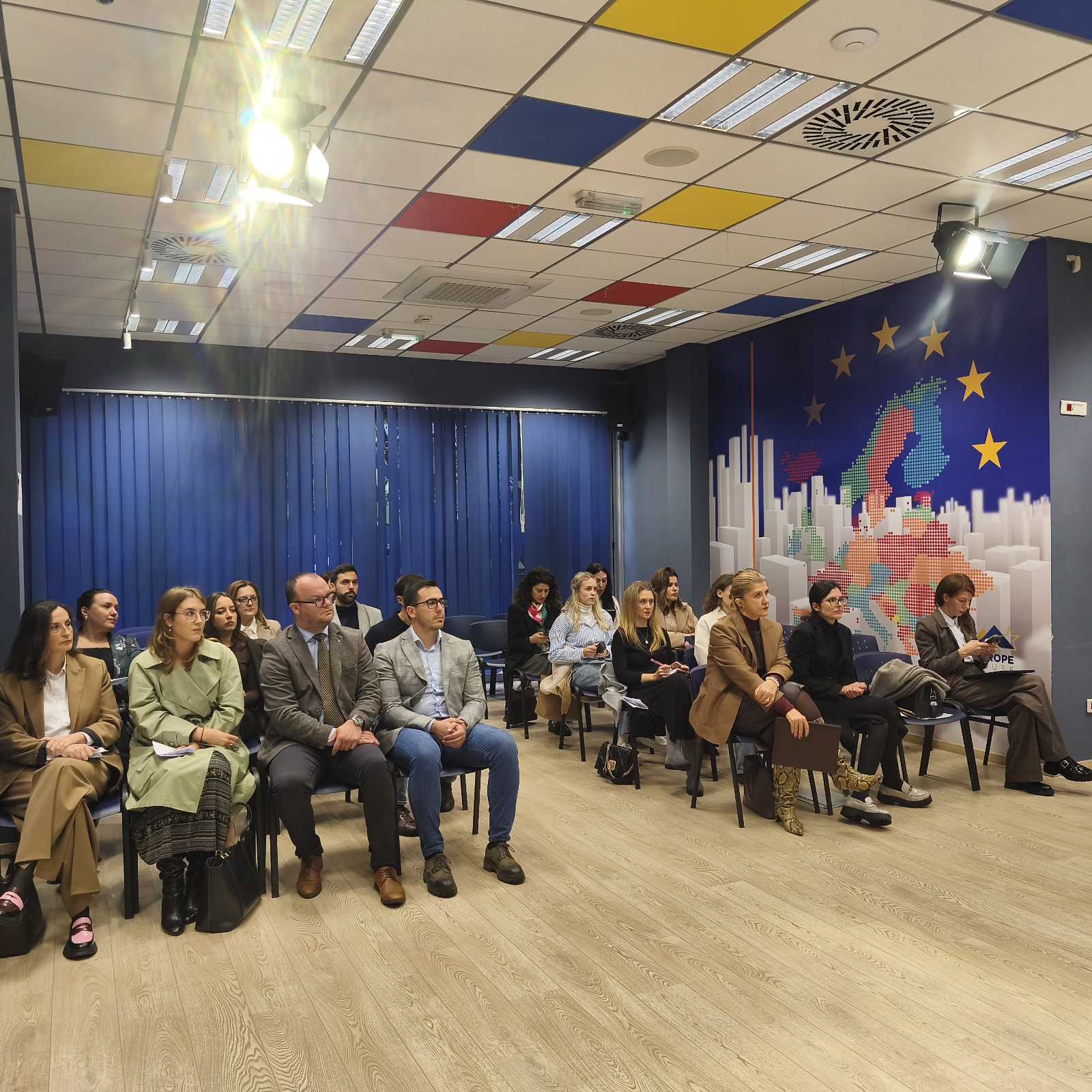
The NGO Green Home organized the final event within the Learning4Green/ADDUPT project titled “Green Skills and the Labour Market: Synergy for a Sustainable Future.” The event brought together decision-makers, educational institutions, and representatives of the private sector with the aim of creating a joint approach to developing green professions in Montenegro.
At the opening, the Executive Director of Green Home, Azra Vuković, addressed the audience and highlighted the results of the research conducted during the project, which emphasized the importance of equipping schools with resources, promoting career-guidance services, and supporting the mobility of learners and teachers in order to improve educational outcomes.
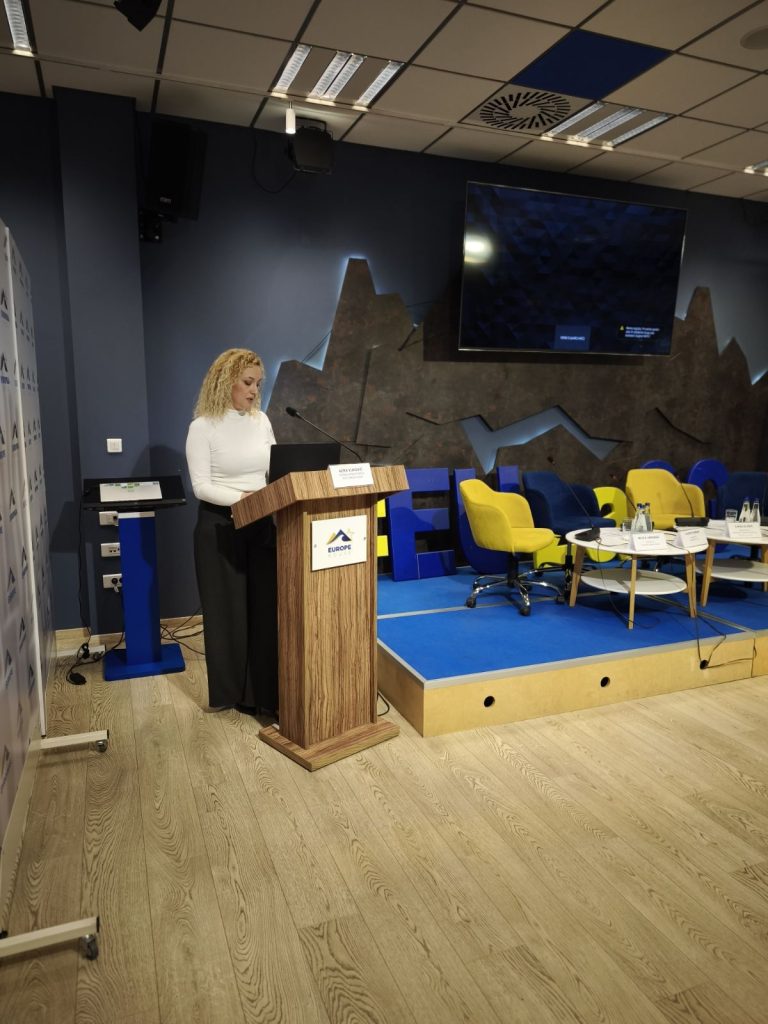
“The state must aim to improve the quality and efficiency of secondary and vocational education, making them relevant to the labour market and enabling lifelong learning,” she said.
Damjan Ćulafić, Minister of Ecology, Sustainable Development and Northern Region Development, also addressed the audience, stating that green skills are the foundation of modern development policies. He expressed that it was his pleasure to speak on a topic that increasingly shapes the way we live, work, and build our economy – the role of green skills in today’s labour market and how they can become a driving force of our society.
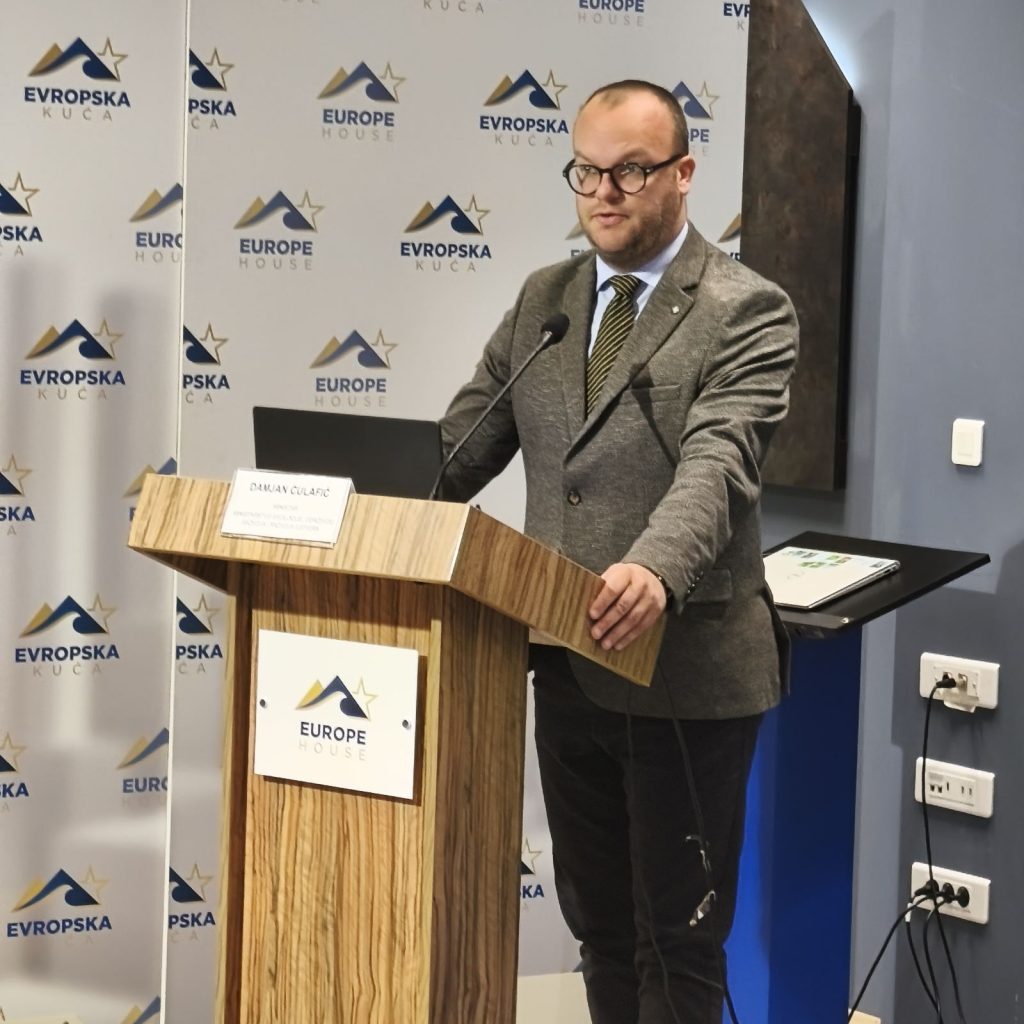
“People, their knowledge, and their readiness to adapt to new technologies will be crucial for success. For all of this — from understanding climate policies, to applying green technologies, to developing competitive skills — knowledge is essential,” Ćulafić stated.
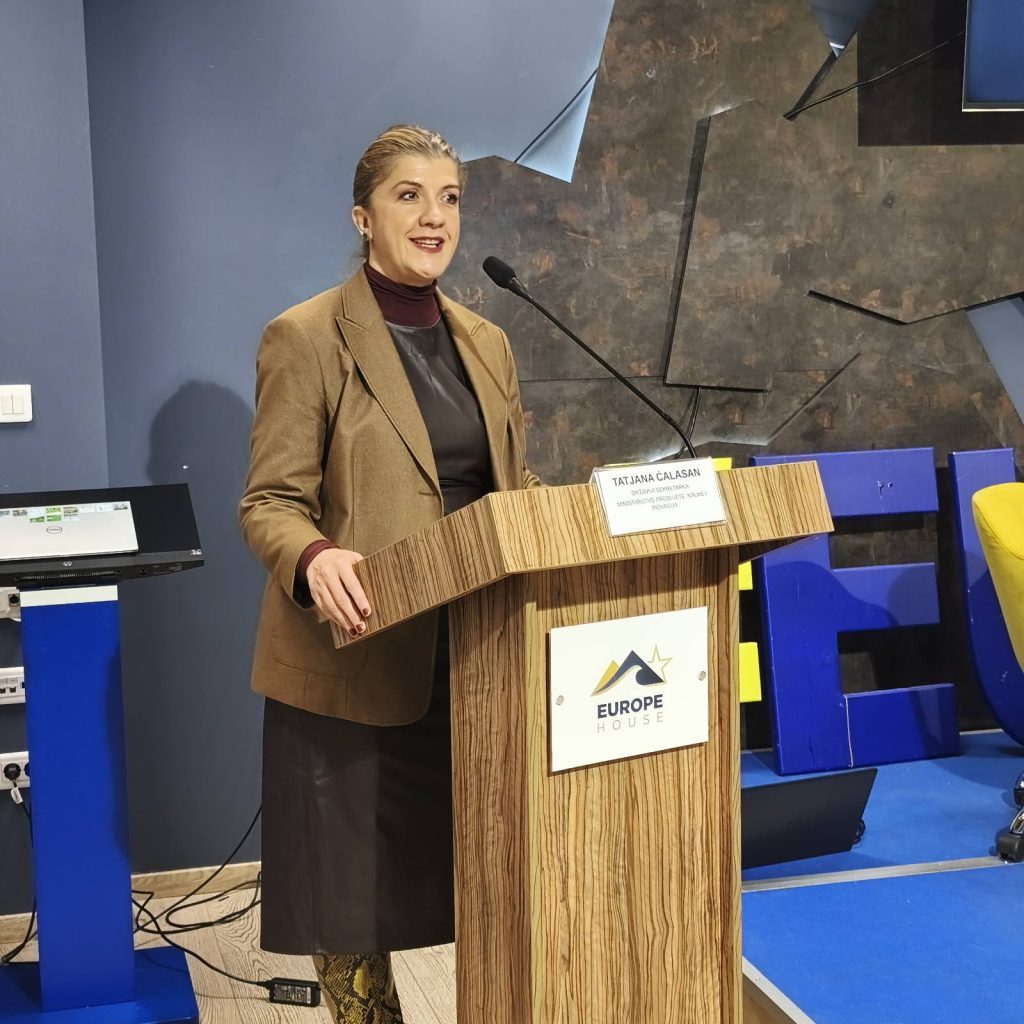
On behalf of the Ministry of Education, Science and Innovation, State Secretary Dr Tatjana Ćalasan expressed full support for the development of programmes to improve green skills, as well as for initiatives that connect education with sustainable development, and for the continued work on improving programmes and new practices for youth.
During the event, Project Coordinator Iva Bulajić presented an analysis of the connection between the green sector and employment in the Western Balkans, as well as action plans and guidelines developed throughout the project. She emphasized that young people in Montenegro need much stronger practical training: “Young people clearly state that they want more practical work, internships, and professional mentoring. Without opportunities to apply their knowledge to real projects, we cannot expect a workforce ready for the labour market.”

At the panel “Green Skills of Young People: From Education to Employment,” speakers included Milica Jaramaz from the Vocational Education Centre, Ilinka Alorić from the Ministry of Ecology, Sustainable Development and Northern Region Development, and Lazar Komar from the company Greener.

Participants emphasized that Montenegro has enormous potential to develop a new generation of professionals in renewable energy, nature management, circular economy, energy and climate policy. However, a major risk is the outflow of skilled workers. Therefore, it is essential to create conditions for young people to access paid internships, first jobs, research support, and opportunities for professional development in Montenegro rather than abroad, the panel concluded.
Key competency gaps were identified in the fields of sustainable agriculture and forestry, renewable energy technologies and their management, circular economy, waste and resource management, energy and energy efficiency, environmental regulations and natural-resource management, sustainable tourism, green supply chains and industrial sustainability.
